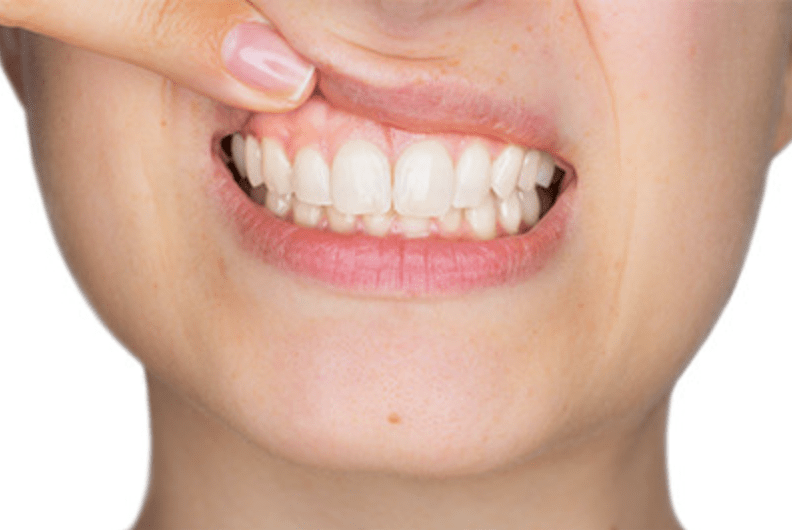
Your gums frame your teeth, and also provide a strong foundation for your smile. Healthy gums are just as important as healthy teeth. With proper care and routine dental visits, you can enjoy optimal gum health for years to come. If your gum tissue is thin or pulling away from the teeth, it can expose the teeth roots and compromise your overall oral health.
Welldent is the best dental implant treatment in nagpur who offered the world class Dental implants or Tooth implant in India at an affordable cost.
For most patients, anxiety ensues if a dentist recommends a gum graft. It certainly doesn’t sound like much fun. To be honest, tissue grafts have not earned a favorable reputation in years past. However, with advances in technology and techniques, receiving a gum graft is easier now than ever before. Here, we will explore gum grafting, and discuss when it is necessary, what type of grafts are available, and how the procedure is performed.
About Gum Recession
Gum recession is quite common and can be caused by a couple of different reasons. First and foremost, there is an undeniable genetic factor. Chances are, if you have an immediate family member who has recession, you have it too. This type of recession can worsen gradually over time, almost going unnoticed. That is why routine dental examinations are so important. If your dentist detects recession early on, the treatment required to repair it will be less invasive. Trauma can also cause gum recession. For example, if you are hit in the mouth, the gum tissue may tear or become damaged. Finally, recession can be a byproduct of periodontal disease. When periodontitis advances, the gums have a tendency to pull away from the teeth. This is because the underlying bone has been damaged by infection. The gums follow the bone level. Therefore, if there is bone loss, recession will be present.
When is a Gum Graft Necessary?
In many cases, dental issues can trigger a domino effect. Mild recession may cause tooth sensitivity and some slight discomfort, due to the exposed roots. However, if the recession continues to worsen, the exposed teeth roots can have a negative impact on the underlying jawbone. When your recession begins to affect other aspects of your oral health, it is time to consider gum grafting.
Types of Gum Grafts
The world of periodontics is constantly evolving. There are now several options for correcting gum recession. The gum grafting material can be autogenous (from your own body) or non-autogenous (donor tissue). We have seen immense success with the use of donor tissue when performing gum grafts, especially when combined with tissue regenerative therapy, such as EDTA (ethylenediamine tetraacetic acid) or PRF (platelet-rich fibrin). During a gum graft procedure, the donor tissue is placed in the area where you are deficient. In some cases, the tissue will be placed completely underneath the existing gum tissue, and the gums will be repositioned over the graft before closing the site. In other cases, a pocket will be made in the gum tissue, and the graft will be secured there with sutures. The type of gum graft necessary will entirely depend on the unique needs of the individual. During a consultation with your dentist, he or she can help you determine which one is right for you.
How to Prevent Gum Recession
There are a few guidelines you can follow to lower your risk of recession. For example:
Practice excellent oral hygiene
Never use a medium or hard toothbrush
Avoid all tobacco products
Wear a mouth guard if you grind your teeth
Source : https://www.amazines.com/
 Welldent Family Dental Care and Microdentistry Centre