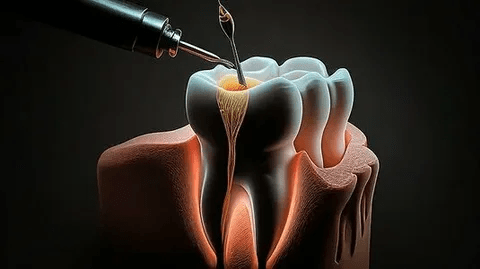
Root canal treatment often carries a reputation for being painful, but is it really as bad as people think? The truth is, root canal procedures have come a long way in terms of technology, techniques, and pain management.
In fact, when done by a skilled dentist, root canal treatment can be virtually pain-free, and it can save your tooth from being extracted.
If you live in Nagpur and are considering or have been advised to undergo root canal treatment in Nagpur, it’s important to understand what the procedure involves and what you can expect.
Let’s break down the pain factor, dispel some myths, and help you feel more prepared for your upcoming dental appointment.
What Is a Root Canal and Why Is It Necessary?
Before addressing whether root canal treatment is painful, let’s first understand what it involves. A root canal is a dental procedure performed to treat an infection or damage inside the tooth’s pulp (the soft tissue at the center of the tooth containing nerves and blood vessels). If the pulp becomes infected due to decay, cracks, or trauma, it can cause severe pain, swelling, and even lead to abscesses.
During a root canal, your dentist will:
- Clean out the infected or damaged pulp to remove bacteria and any debris.
- Shape the canal to allow for filling and sealing.
- Fill the tooth with a rubber-like material and seal it off to prevent future infection.
If left untreated, a tooth with infected pulp can lead to serious complications like tooth loss, abscess formation, and bone damage. Root canal treatment is often the best way to save the tooth and prevent these issues.
Is Root Canal Treatment Painful?
Now, let’s address the burning question: Is root canal treatment painful? The short answer is no.
In the past, root canals may have been associated with pain and discomfort, but with modern dental techniques, anesthesia, and improved technology, the procedure has become much more comfortable for patients. Here’s why:
1. Local Anesthesia
Before beginning the procedure, your dentist will apply a local anesthetic to numb the area around the affected tooth. This ensures that you won’t feel any pain during the treatment itself. You may feel some pressure, but there should be no sharp or intense pain. The numbness typically lasts for a few hours after the treatment.
2. Advanced Technology and Techniques
Today, many dental offices use advanced tools like rotary instruments, lasers, and digital X-rays to perform root canals more efficiently and with less discomfort. These innovations allow the dentist to remove the infected pulp with greater precision and in less time, minimizing any discomfort.
3. Pain-Free Experience
Most patients report that the root canal treatment itself is no more painful than getting a regular filling. The discomfort, if any, is typically mild and short-lived. If you’re feeling nervous or anxious, talk to your dentist about options to help you feel more relaxed, such as sedation dentistry.
What to Expect After the Procedure
After the root canal procedure, you may experience some discomfort as the anesthesia wears off. This is completely normal and should subside within a few days. Most patients compare the post-treatment discomfort to what you’d feel after getting a filling or a simple dental cleaning. Over-the-counter pain relievers like ibuprofen or acetaminophen can help manage any mild pain.
It’s important to follow your dentist’s aftercare instructions, which may include:
- Avoiding hard or chewy foods for a few days to allow the tooth to heal.
- Brushing and flossing carefully around the treated area to prevent infection.
- Monitoring for signs of infection, such as swelling or increasing pain (although rare).
In most cases, the discomfort from a root canal is mild and easily manageable.
When Should You Worry About Pain After a Root Canal?
While root canal treatment itself is usually painless, there are times when you should contact your dentist after the procedure:
- Intense or prolonged pain: If the pain doesn’t subside after a few days or becomes more severe, it could indicate that the infection wasn’t fully removed, or there’s another underlying issue.
- Swelling or pus: Swelling around the treated tooth or the development of pus could be signs of an infection and should be evaluated promptly.
- Sensitivity to temperature: If you continue to feel sensitivity to hot or cold after a few days, this could signal that the tooth isn’t healing properly.
If you experience any of these symptoms, don’t hesitate to contact your dentist. These issues are rare but should be addressed promptly to avoid further complications.
Why Root Canal Treatment Is Worth It
Many patients fear root canal treatment because of misconceptions or stories they’ve heard. However, the reality is that root canal treatment is designed to eliminate pain and save your tooth. Without it, you risk more severe pain, tooth loss, and the need for more complex treatments down the road.
By opting for root canal treatment in Nagpur, you give yourself the best chance of preserving your natural tooth and preventing infection from spreading to nearby teeth and gums. The procedure has a high success rate and can be a long-term solution to tooth pain caused by infection or injury.
Final Thoughts
If you’re experiencing pain, sensitivity, or discomfort that could be linked to an infection in your tooth, a root canal might be the best solution to preserve your smile.
While it’s natural to feel anxious, rest assured that modern root canal procedures are designed to be as comfortable and pain-free as possible. Thanks to local anesthesia, advanced technology, and skilled dental professionals, you can get the care you need without the fear of pain.
If you’re in Nagpur and think you might need root canal treatment in Nagpur, it’s important to consult a trusted dentist who can assess your condition and guide you through the process.
Taking action early can prevent more serious issues and help you maintain your oral health for years to come.
 Welldent Family Dental Care and Microdentistry Centre