Treating Stained Teeth With a Teeth Whitening Pen

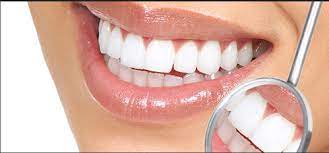
It can be an uncomfortable experience to realize that you have stained teeth. When that day comes, you might think back at how often you have flashed your smile and someone else has noticed yellow teeth sticking out. Stained teeth are a problem for all segments of the population, and the industry to treat the situation has boomed in recent years. Your teeth can become yellow for a variety of reasons. Some people just have naturally yellow or teeth due to thinner enamel layers. For these people, not much can be done and they have to be extra careful that they don’t damage their top layer. But the good news is that this situation only applies to a small segment of the population. For most other people who have yellow teeth, a good teeth whitening product will be able to deal with the stains in an effective manner.

If you looking for dental treatment contact with our dentist in vivekanand nagar, we provide best services in nagpur.

Most oral hygiene products these days come with some sort of whitening agent in them. All of them from toothpastes to mouthwashes can be welcome additions to any daily oral hygiene routine. But don’t expect something as simple as a toothpaste to get rid of the problem by itself. You should make sure to keep up with daily brushing and flossing, but you might need something a bit more powerful to help with your stained teeth.

Teeth whitening strips are a very popular way to apply a bleaching agent to the entire mouth. They have to be applied evenly and left in place for certain amount of time. In general, whitening strips are indeed effective for the purposes of treating yellow teeth, but they require a certain degree of patience as well as proportionately even teeth. Another option comes in the form of a teeth whitening pen, which you use yourself to specifically target problem areas. A whitening pen contains a similar bleaching agent to most other whitening products. The advantage to something like this is that you can dab it yourself whenever you like on the areas you feel are most affected.

Once you see the effects of whitening products (which usually happen after a few weeks), you should do your best to stay away from the things that lead you to the problem in the first place. So that means avoiding foods that cause staining, and certainly avoid smoking if possible. The effects of teeth whitening products are certainly not permanent, and good oral hygiene will always be an essential part of your life.

Article Source:

It can be an uncomfortable experience to realize that you have stained teeth. When that day comes, you might think back at how often you have flashed your smile and someone else has noticed yellow teeth sticking out. Stained teeth are a problem for all segments of the population, and the industry to treat the situation has boomed in recent years. Your teeth can become yellow for a variety of reasons. Some people just have naturally yellow or teeth due to thinner enamel layers. For these people, not much can be done and they have to be extra careful that they don’t damage their top layer. But the good news is that this situation only applies to a small segment of the population. For most other people who have yellow teeth, a good teeth whitening product will be able to deal with the stains in an effective manner.

Most oral hygiene products these days come with some sort of whitening agent in them. All of them from toothpastes to mouthwashes can be welcome additions to any daily oral hygiene routine. But don’t expect something as simple as a toothpaste to get rid of the problem by itself. You should make sure to keep up with daily brushing and flossing, but you might need something a bit more powerful to help with your stained teeth.

Teeth whitening strips are a very popular way to apply a bleaching agent to the entire mouth. They have to be applied evenly and left in place for certain amount of time. In general, whitening strips are indeed effective for the purposes of treating yellow teeth, but they require a certain degree of patience as well as proportionately even teeth. Another option comes in the form of a teeth whitening pen, which you use yourself to specifically target problem areas. A whitening pen contains a similar bleaching agent to most other whitening products. The advantage to something like this is that you can dab it yourself whenever you like on the areas you feel are most affected.

Once you see the effects of whitening products (which usually happen after a few weeks), you should do your best to stay away from the things that lead you to the problem in the first place. So that means avoiding foods that cause staining, and certainly avoid smoking if possible. The effects of teeth whitening products are certainly not permanent, and good oral hygiene will always be an essential part of your life.

Article Source : EzineArticles
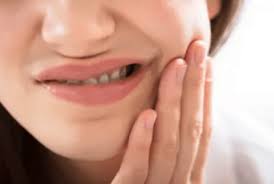
How Sensitive Are Your Gums?

Periodontal diseases develop when inflammation and infection that destroys tissue supporting the teeth, including gums, periodontal ligaments and alveolar bone.

To learn more about their options for an orthodontist, contact with our best dentist in vivekanand nagar.

Gingivitis can be prevented and treated. Factors such as medication and a low immune system are likely to the development of this disease, the most common cause is poor oral hygiene. Rinsing with mouthwash or floss and clean with a professional cleaning, by a physician specialist, can significantly reduce the risk of developing the disease. If you already have gingivitis, a teeth cleaning done by a doctor can fix it.

Signs and symptoms – Because gum disease are early, in most cases, painless, you can have gingivitis and not even know. Often, it is possible to notice these signs:

* Swollen and red gums;

* Gums that bleed easily, even if not painful. You observe primarily as toothbrush bristles are pink – a sign that your gums are bleeding.

* A change in color from pink gums to dark red;

* Touch-sensitive gums.

Causes – Gingivitis starts with a bacteria plaque. This film is invisible, biofilm, usually composed of bacteria deposited on the teeth and sugars from food interact with bacteria normally found in our mouth.

Brushing your teeth removes the plaque, but it is submitted again in less than 24 hours. Microbial plaque remains on your teeth more than two or three days hardens, turning into tartar, one white substance that makes plaque more difficult to be removed and that is a true reservoir for bacteria.

The worst is that already formed s tartar may be hard to clean by brushing and with dental floss. Most likely have to present yourself to a dentist to remove tartar. As the tartar or plaque on tooth surfaces stay more, then irritate the upper gums. Over time, your gums will swell and bleed easily.

Article Source: EzineArticles

Techniques for Tooth Pain Relief

Seeing any of your loved ones especially your kids suffer from tooth pain can be very agonizing for parents. We would do anything just to relieve them from the suffering they are going through. If we could only take away the pain of suffer it for them we would gladly do. You can’t just stand and watch them go through it; you should exhaust all techniques for pain relief no matter what it takes.

If you looking for dental treatment contact with our dentist in vivekanand nagar, we provide best services in nagpur.

There are several home remedies that can help alleviate if not totally eliminate tooth pain. Onions are good bactericidal which means it kills bacteria, thus placing a piece or slice of this vegetable directly on top of the aching tooth can lessen the degree of pain. Garlic’s are also effective in relieving the pain because of its antiseptic use. You can place one clove of crushed garlic on the affected tooth. Gargling with lukewarm water with salt can draw out any bacteria thus decreasing the inflammation of your affected tooth.

Although these methods work, it is still best to prevent tooth ache from occurring and you can do this by teaching your kids proper oral hygiene. Teach them to brush their teeth thoroughly after each meal and to floss even ones a day. Don’t give them foods with too much sugar content in it. It also helps if you give them daily dose of vitamin C as this prevents cavities and bleeding of gums. Vegetables such as onions and garlic also prevents cavities, thus chewing one clove of garlic and one slice of onion will prevent tooth aches.

This broken tooth pain relief techniques can temporarily alleviate your child’s suffering but it is still best to bring your child to a dentist when you have time because sometimes the tooth ache may be caused by an underlying problem. To permanently eliminate the problem the underlying cause must be dealt with properly.

Article Source: EzineArticle

Mouth Yeast Infection Symptoms and Remedies

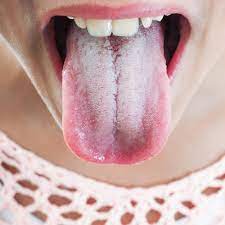
Mouth yeast infection or thrush is a condition wherein the oral cavities are infected by the overgrowth of a fungus known as Candida Albicans. When the body’s immune system is weak and there is nutritional imbalance, mouth thrush results to inflammation, blistering, and soreness of the mouth area. This condition can strike anytime so it is advisable to know its early symptoms.

To learn more about their options for an orthodontist, contact with our best dentist in vivekanand nagar.

An early sign of the condition is the appearance of white or yellow sores which are bumpy inside the mouth. If there is pain and bleeding on the oral cavity, there is a big possibility that you are suffering from oral yeast infection. Also, difficulty of swallowing foods and beverages can be experienced by a person suffering from thrush. In worse cases, fever can occur especially if the condition is not treated.

Treatments of thrush can both be found at home and pharmacy. If consulted to a doctor, usually the remedies being subscribed are anti-fungal medications. A lot of these treatments for thrush come in liquid, cream, or tablet form. The doctor will prescribe that the medicines be taken for about two weeks. These thrush remedies should be accompanied with proper diet such as taking pro-biotic or lacto bacillus acidophilus.

Ketoconazole is another treatment of thrush which contains anti-fungal properties such as Mycelex, Monistat and Nizoral. Ketoconzole is a form of cream which can be applied on the affected area. Also, Diflucan and Sporanox can be used as treatment of thrush. While this yeast infection remedy is expensive, it can only be applied once every day. Moreover, mouth yeast infection can be treated using herbal remedies like, capricin tea, grape seed oil, garlic, and grapefruit seed. These natural treatments are also available on pharmacies nowadays.

When afflicted with thrush, you must be careful with your health and immune system. Eat a lot of healthy foods and be conscious of your diet to avoid fermented, sweet, and carbohydrates rich foods. Lastly, mouth yeast infection can be properly and easily treated if you maintain good oral hygiene.

Article Source: EzineArticles

Root Canal Treatment: Facts and Myths

A trip to the dentist’s office is not always something you look forward to. Many people have been diagnosed with extreme anxiety on the onset of such a visit. Whether the problem is psychological or not, you need to gather courage to avoid future heartache courtesy of dental and oral health decline.Anxiety happens to the best of us and a recent root canal treatment led me to ask several questions about the procedure, general practices, implications, facts and myths.

If you looking for dental treatment contact with our dentist in vivekanand nagar, we provide best services in nagpur.

What is root canal treatment?

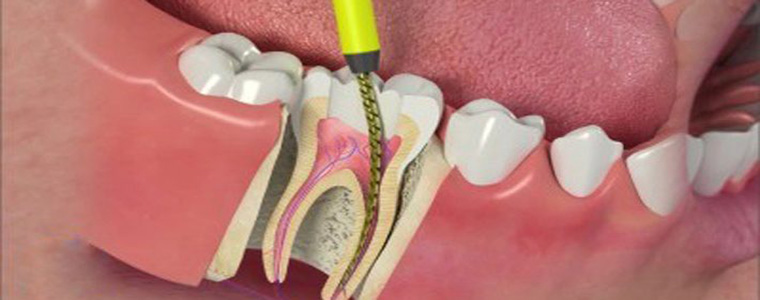
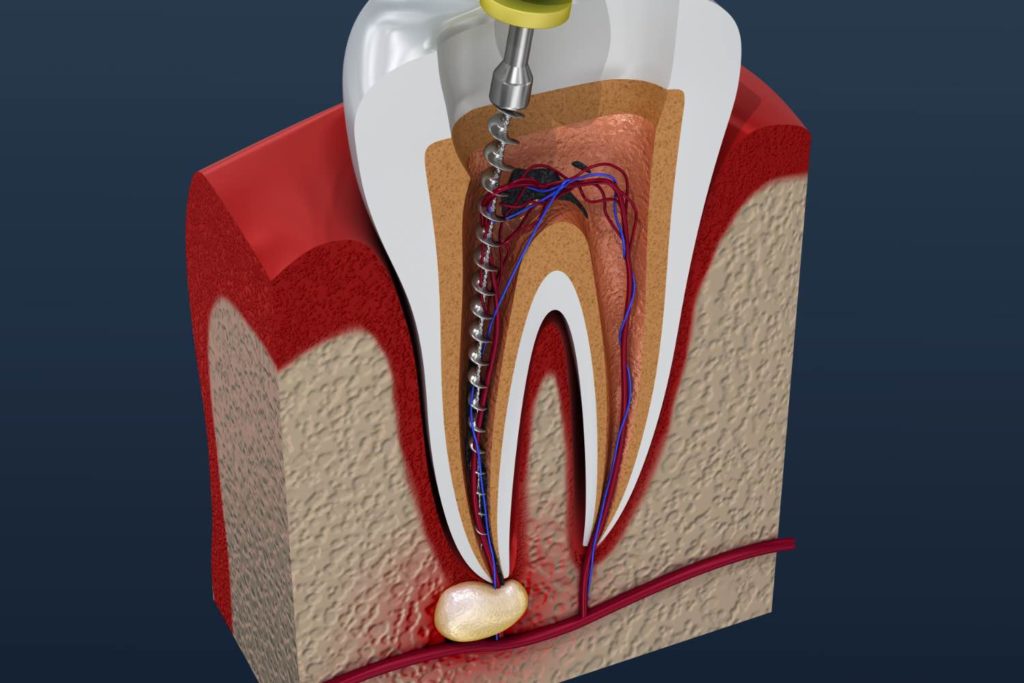
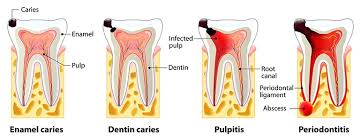
Pulp found in root canals can be infected as a result of severe tooth decay. Pulp is basically what keeps the tooth alive because it is constituted by nerves as well as blood vessels. When infection is evident the recommended treatment will be endodontics commonly known asRoot Canal Treatment. It is the removal of the pulp and replacement of a substance that will ward away future re-infections. Because of cutting edge technology in dental equipment and practices, the procedure will not leave teeth darkened unlike in the past.

The procedure will therefore see the tooth preserved for cosmetic reasons. The alternative is to have the tooth extracted but this should only be considered when no other option is forthcoming.

Benefits of the procedure will include not having the tooth removed as well as prevention of further infection and problems with the tooth.

However, after all is done, a dentist will recommend crowning the tooth to reinforce it. A tooth without a root canal will be weaker than healthy teeth and for this reason, crowns will be good options.

There are several root canal myths to be dispelled in society as follows;

• A root canal is painful. This common myth has its roots from ancient days where the procedure was done using non-advanced methods unlike today. This has been highlighted by the American Association of Endodontists. The administration of general anesthesia will numb the area and the procedure will be painless; it was for me.

• Another common myth is that all root canals must be done in several appointments. This is not the case because the procedure can be completed in one or two appointments. However, there are several factors that will dictate the number of appointments including;

a) Need for referral
b) Tough root canal
c) Extent of infection

Let your dentist recommend the number of appointments after having considered your case.

• Another common myth is that a root canal treatment can cause illness such as arthritis, heart and kidney disease. Research has shown this NOT to be the case.

• Another common myth is that a tooth has to hurt to qualify for root canal. Dentists can discover teeth that are dead and recommend the treatment however painless. Therefore, screening to check the status of the tooth by the doctor is advised. Tests that are employed to check dead teeth include;

a) Percussion testing
b) Use of a pulp vitality machine
c) Percussion testing

• Finally, some people believe that benefits of a root canal treatment don’t last. This is owing to consequent breaking of teeth after treatment. According to dental experts, this is not the treatment failure but rather the failure in restoration or construction of tooth. Breakage mainly happens to those who fail to get crowns. Therefore, the benefits can last long.

Article Source: EzineArticles

Ways To Effectively Stop Teeth Grinding

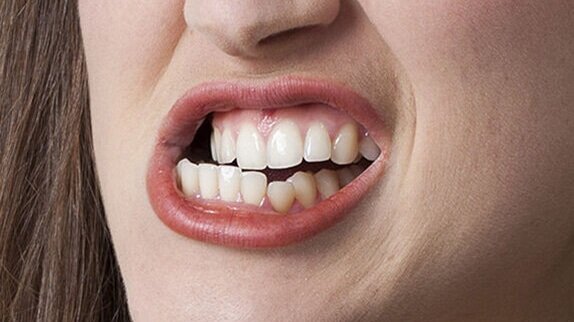
If you are look for teeth grinding treatments, you will at least be aware that you suffer from the condition. It can take years before people figure out that they are harming their teeth every day by grinding them. Your dentist can help you treat the seriousness of this problem and you can also try some of the more simple teeth grinding treatments while you wait for your appointment.

To learn more about their options for an orthodontist, contact with our best dentist in vivekanand nagar.

Many people have said that biofeedback has worked for them. There are alternative treatments available, such as biofeedback. To help you stop grinding your teeth you might consider one of the different biofeedback devices available. By attaching this device to your mouth the sensor will set off an alarm when you grind your teeth. This machine works by setting off an alarm to let you know when you have started grinding your teeth. While it may seem strange to have an electronic device in your mouth, some people find this to be less invasive than a mouth guard. Are you willing to be woken up every time you grind your teeth? That is how biofeedback works. Herbal or homeopathic treatments are also an option. If you grind your teeth because of stress, try some herbs and remedies to relax your nervous system. For help in eliminating the problem of teeth grinding you might try some herbs. The right herbal or homeopathic remedy is out there for you, just consult a herbalist or homeopathic practitioner to figure out which is best.

If you are in the habit of chewing gum, tobacco, pencils or anything else during the day, this may be contributing to teeth grinding. Avoid chewing non food items. If you are a gum chewer you are teaching your jaw to clench and bit which can lead to grinding. Your jaw will want to clench and bite even when you are not chewing gum. Overcome teeth grinding by avoiding chewing action caused by non-food items. You can get over the stubborn problem of teeth grinding if you use the tips and tricks from this article. The problem wont just go away all at once. The teeth grinding treatments we have gone over can alleviate the problem, but it will take time, so have some patience. Even reducing your teeth grinding a little at a time can improve your condition and help to keep your teeth and jaw healthy.

Article Source: EzineArticles

How To Care For Teeth

Brushing one’s teeth is important for many reasons. Teeth are a part of human’s bodies just as much as bones are. They need to be taken care of or one risks the loss of their teeth. A Dentist is where one can go if they need teeth services preformed. Places such as the Dentist Office are more than willing to take patients.

If you looking for dental treatment contact with our dentist in vivekanand nagar, we provide best services in nagpur.

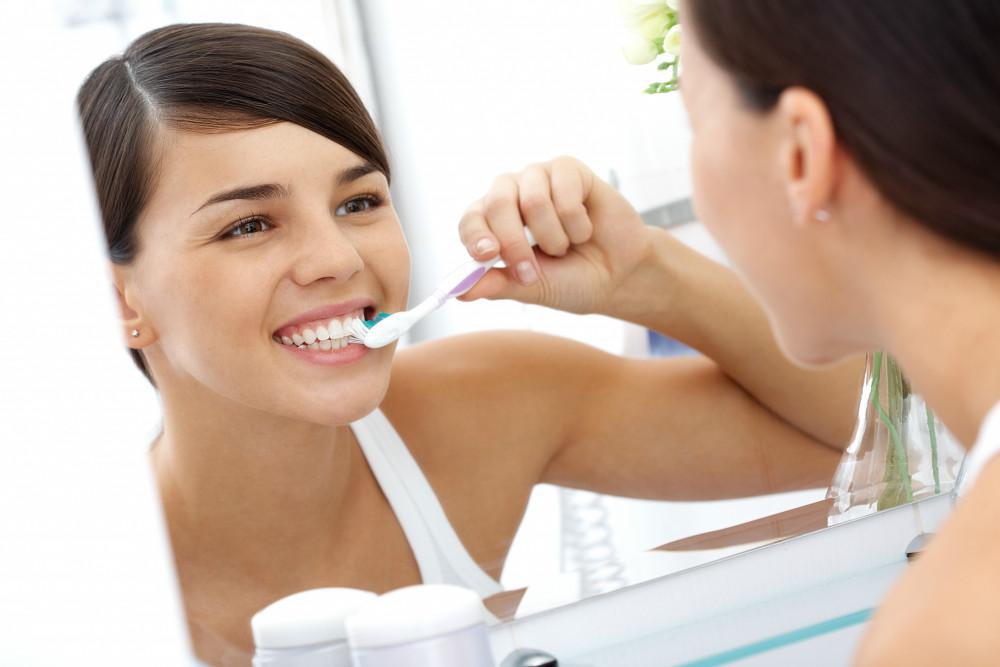
People from all over the world start and end their day’s the same way, by brushing their teeth. Teeth-brushing is very important to one’s health. By not brushing teeth, bad breath, yellowing, and spotting of the teeth can occur. The first step to properly brushing teeth is to find an adequate toothbrush. To be fit to clean a person’s mouth a toothbrush must be easy to grip and have quality bristles for cleaning.

Next individuals need to acquire a tooth paste of their liking. Tooth pastes come in all different varieties. There are fruity ones, minty ones, and even bubble gum flavored ones. Then there are tooth pastes that whiten, strengthen, fight plaque, and help sensitive gums. It is important to choose a tooth paste that will fit all of the needs of the person who will be using it, whether they are children or adults.

The next step is to get the toothbrush wet and then squeeze a little tooth paste onto the bristles. Small children should use no more than a pea size amount of tooth paste, while adults should use more. Before applying the tooth paste, individuals should look into their own mouth using a mirror. This will help determine the size of one’s mouth so the amount of tooth paste needed can be accurately judged.

Now, one can begin to brush their teeth. It is very important not to brush too hard otherwise bleeding of the gums will occur and causes the gums to recede. The brush should be dragged horizontally across the front and backs of both top and bottom teeth. Individuals should make sure to brush even the hard to reach places, so bacteria will not grow. Conclude the brushing by spitting out the toothpaste into the sink. Make sure to wash the used tooth paste down the drain.

The last step is to floss. Tooth floss comes in many different forms. Apart from the many different flavors, thicknesses, and colors, now tooth floss also comes on little handheld picks. These are especially convent for tooth care on the go. Flossing is important because if food gets caught in between teeth, a toothbrush can’t always reach it. Floss’s job is to prevent one’s teeth from getting a cavity. If food is left in between teeth, then a painful tooth ache can result.

Brushing and flossing are two tasks that are very important to the up keep of teeth. If these things are not done, then individuals may find themselves with rotten or yellowed teeth. The elderly often have to wear false teeth as a result of not caring for them in earlier years.

Article Source: EzineArticles

Why Do People Whiten Their Teeth?

Teeth whitening is very big business at the moment and it continues to grow and grow all the time. It used to be an expensive cosmetic treatment that involved going to the dentist, but now you can do it yourself at home thanks to a wide variety of over-the-counter products. So why do people whiten their teeth?

To learn more about their options for an orthodontist, contact with our best dentist in vivekanand nagar.

Well the obvious reason is that people want to look more attractive. It’s a simple fact that white teeth look a lot better than yellow teeth.

Whilst you will have to pay thousands of dollars for cosmetic treatment on things like face lifts, nose jobs and ear pinning procedures, you can transform your teeth back to their natural white colour for less than $100 dollars if you use some over-the-counter whitening products. Even a whitening session with your dentist will only cost around $500-$600.

White teeth not only look more attractive, giving you the confidence to laugh and smile more often in public, but they also look a lot more healthy. After all we were all born with white teeth, so having yellow and stained teeth in later life is perhaps a sign that you have indulged too much on things like tea, coffee, wine and cigarettes.

Another major factor why more and more people are choosing to whiten their teeth is because they see all of their favourite celebrities from the world of film, TV and music with ridiculously white teeth. This encourages people who have teeth that are already fairly white to keep going in order to achieve the same ‘Hollywood’ smile.

However this can be very dangerous because you can go too far. Although there is no clear evidence that too much whitening damages the enamel, there have been lots of cases where people have used these whitening products far too much and subsequently made their teeth practically see-through. I know this to be true because my dentist told me about one of his patients who had whitened her teeth every day for two years, and was now left with unattractive translucent teeth as a result.

So you have to be careful when using these teeth whitening treatments. While they allow us all to realize our dream of having beautiful white teeth, they can damage your teeth in the long run if you’re not careful. It is always worth talking to a dentist before starting any treatments, even if you plan to use over-the-counter products, because they can give you the very best advice.

Article Source: EzineArticles

An Overview on Root Canal Complications

The only realistic alternative is pulling the diseased tooth and replacing it with a bridge, implant or partial denture. Fortunately, a root canal procedure almost always saves the tooth and permits it to remain in place for the remainder of the patient’s life. More than 95% of all procedures are successful.

If you looking for dental treatment contact with our dentist near wardha road, we provide best services in nagpur like root canal treatment.

Unfortunately, things do occasionally take a wrong turn despite the dentist’s best efforts. Remember, the procedure includes the removal of the tooth’s nerve and pulp. The resulting hollow area inside the tooth (the “root canal”) is then cleansed, sterilized and sealed. Along with taking out all the damaged, unhealthy nerve tissue, your dentist will attempt to remove all the bacteria, toxins and other contaminants existing within the tooth. The hollow space once occupied by the nerve is then filled in and sealed off so that bacteria and other irritants are unable to occupy any physical location that is beyond the reach of your body’s natural defenses. Sometimes, though, the original infection flares back up or a new infection of the tooth begins. There are a few reasons why this might occur:

  • A tiny crack in the root of the tooth may have gone undetected and now provides an entryway for bacteria and other contaminants;
  • The shape of a root canal can vary greatly from patient to patient, and some shapes are more difficult for the dentist to thoroughly cleanse;
  • If more than the anticipated number of root canals (or unanticipated forks or branches of the same root canal) are within the tooth, your dentist might have inadvertently skipped cleansing one of them;
  • The dental restoration (a crown, for example) applied after the root canal procedure may fail and allow bacteria to re-enter the inner cavity of the tooth (we address this particular process, known as “coronal leakage,” in more detail in a separate article); and
  • The sealant used in the procedure may degrade and fail over time, once again allowing bacteria to contaminate the root canal.

The procedure is considered a failure if the treated tooth continues to harbor bacteria or contaminants which cause inflammation of the tissues surrounding the root of the tooth. In some cases, root canal complications can exist without any symptoms, even though dental X-rays reveal signs of inflammation. In other cases, the patient might experience tooth pain and/or gum swelling or tenderness.

If your root canal procedure fails, a second treatment might be appropriate. In some cases this repeat treatment succeeds. In other cases, however, a second procedure may not be possible. Even if it is, however, the second treatment might also fail. Only a couple of options remain if you’re in this situation: extraction of the tooth or endodontic surgery to try to save it.

A root-end resection (called an “apicoectomy” by endodontists) is the most common type of endodontic surgery performed if a pocket of infection remains in the bone following a procedure. During this procedure, which is almost always performed by an endodontist or oral surgeon, he or she will make a small incision in the gum around the tooth, remove the infected tissue (and in some cases, the tip of the root) and then sterilize the area. A small filling is sometimes placed to seal off the tooth’s root canal. Apicoectomies are not performed very often, but they boast a high success rate.

In fewer than 5% of all root canal procedures, within three days the tooth becomes painful and the surrounding gum may swell and become tender. This complication is caused by bacterial toxins being released into the jaw by dying bacteria. An antibiotic will take care of this temporary problem. Usually, however, patients feel little or no pain after a root canal treatment. Many patients report almost immediate relief from their symptoms. If the tooth infection was advanced, there may be some moderate to severe pain after the procedure, but it will slowly improve every day.

Article Source: EzineArticles

Coronal Leakage Following a Root Canal Procedure

Most root canal procedures accomplish their task of saving the diseased tooth, at least initially. Unfortunately, in some cases subsequent events can adversely affect the long-term health of a tooth that has had root canal treatment. Although the root canal procedure may have been initially successful in eliminating the cause of the tooth’s diseased condition, sometimes the affected tooth is re-contaminated by bacteria seeping back into the interior of the tooth through a process called coronal leakage. The contaminants migrate from the patient’s mouth past a treated tooth’s dental restoration (a crown or filling) and on into the treated root canal space. The re-infection that often results from this type of bacterial recontamination almost inevitably causes the root canal treatment to fail.

If you want information about orthodontic treatment contact with our dentist we provide root canal treatment, if you need help in finding an orthodontist in your city, visit our site.

The recontamination process described above is called “coronal” leakage because the seepage of bacteria-laden saliva takes its path into the tooth’s interior from the “crown” portion of the tooth (the part of the tooth that’s visible above the gum line), rather than from the root portion of the tooth (the part of the tooth encased in the jawbone). Coronal leakage provides a constant, ongoing supply of bacteria and nutrients that cause and facilitate reinfection of the treated tooth, and may actually be the most common cause of root canal treatment failure. Research indicates a reinfection of the root canal due to coronal leakage can occur quickly (often within just a few days) if the materials used to fill the canal during the initial procedure are not properly isolated from oral contaminants by a well-sealed dental restoration.

Every root canal procedure involves the placement of a temporary or provisional dental restoration (such as a temporary filling or crown) to create a seal protecting the materials now filling the empty, disinfected root canal space from oral contaminants. Although the temporary installation will be replaced by a permanent dental restoration in the near future, the speed with which re-infection can occur requires the temporary installation to create and maintain an adequate seal. Naturally, your dentist or endodontist must select and use a dental restoration that is capable of creating such a seal.

The same possibility for coronal leakage exists after the installation of a permanent dental restoration (the permanent crown or filling) unless your dental practitioner uses appropriate materials and techniques. In this case, however, the materials and type of permanent restoration must not only create an effective seal to act as a barrier against potential coronal leakage and recontamination, but because of its permanent nature, the restoration must also be extremely durable. Your teeth are subjected to difficult conditions routinely, and by its nature a root canal procedure weakens the affected tooth. The permanent coronal seal must be capable of resisting the effects of salivary acids and potential tooth breakage for many years into the future.

Your dentist or endodontist will evaluate your particular situation before recommending the dental restorative material that would be appropriate to create an adequate coronal seal. He or she might suggest dental bonding (a white filling) for a front tooth, but a molar must withstand heavy chewing forces and might require a sturdier dental crown, especially if the tooth already had a filling before the root canal procedure was performed. Have a frank discussion about your options with your dental practitioner, and make sure you thoroughly understand the recommended restorative solution before he or she proceeds with the permanent installation. Again, the two most important factors to consider are the proposed restoration’s ability to create an adequate seal against coronal leakage and its ability to withstand extreme conditions and high stresses. Research confirms that a durable, sound coronal seal is of utmost importance to the long-term success of any root canal procedure, so make sure you and your practitioner choose your temporary and permanent dental restorations accordingly.

Once you and your dentist or endodontist agree on the right permanent dental restoration, try not to unduly delay its installation. Although financial considerations may influence the timing of the permanent restoration, the sooner an effective permanent deterrent to coronal leakage is in place, the higher the likelihood of long-term success for your root canal treatment.

Article Source: EzineArticles

Design a site like this with WordPress.com
Get started