Dental Implants – A Better Choice Than Dentures?

Dental Implants are another type of artificial teeth aside from dentures. People prefer this treatment as they are more attractive and desirable than the usual dentures. With the help of technology advances from implant dentistry, one can eat and speak as though they have natural teeth. The implants cannot be removed from the mouth but they need to be cleaned regularly.

Welldent has the best Dental Clinic in Vivekanand Nagar who offered the world class Dental implants or Tooth implant in India at an affordable cost.

Procedure

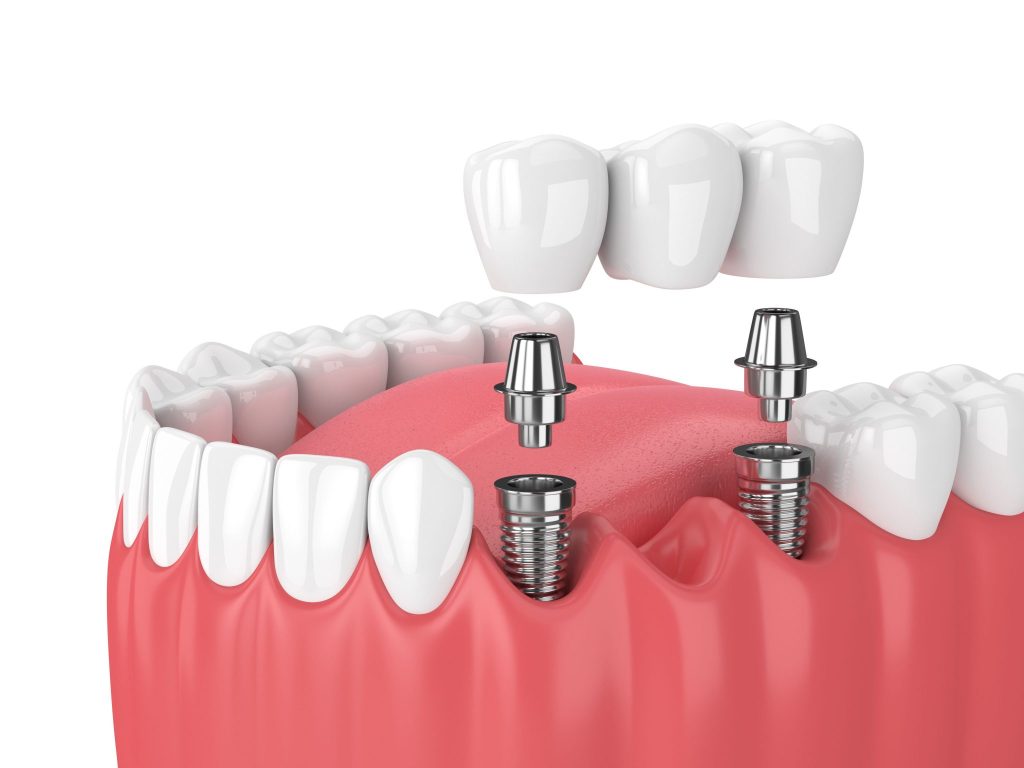
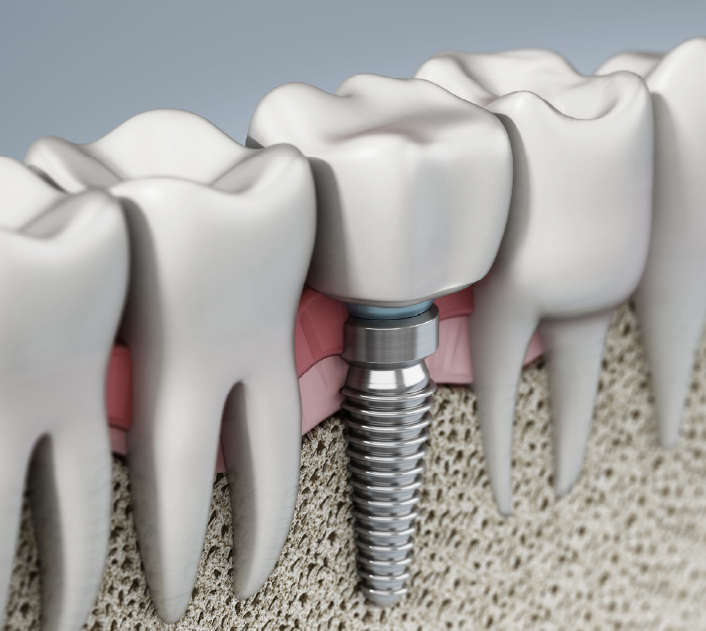
Dental implants are best performed by specialized dentists such as a prosthodontics. The procedure takes some time to complete. Holes are made in the jaw where titanium screws are put in place. It takes a few months for a new bone to grow around it. This fuses the screws in the proper place. An artificial tooth is then permanently attached into the screw.

Purpose

The primary function of these implants is to give a new look to your teeth, making them look as if they were real. These implants are very hard-wearing.

Success Rates

95% of implants in the lower jaw and 90% in the upper jaw are successful. Smokers have a lower success rate. The tissue around the implant can be infected if you do not practice proper dental hygiene.

Advantages

Dental implant is a permanent solution for lost teeth. There is no relining, periodic replacement, or removal needed for the cleaning. Cavities do not occur. Brushing as well as flossing can prevent gum disease. Dental implants give the look and function of natural teeth.

Types of Implants

a) Root Form- It is made of titanium screws that are inserted into the jaw line as a support for artificial individual teeth or to support partial and full dentures.

b) Paste Form- Long and thin, they are used for jawbones that are very narrow, and which are unable to safely hold the screw.

c) Subperiosteal- this type of implant eliminates bone drilling as they are placed over the jawbone. This may need several surgeries.

Article Source: EzineArticle

Best dental clinic offer service of dental implant and teeth veneers

The medical field and connected facilities have developed with the dynamic time. Within the previous couple of decades the medical technology and therefore the connected amenities have shown spectacular progressive. Republic of India has big as a developing nation and therefore the country takes pride within the medical facilities that area unit accessible for the patients here Nagpur is one among the states of India.

Welldent is the best dental implant treatment in nagpur who offered the world class Dental implants or Tooth implant in India at an affordable cost.

The commercial and different work domains are a unit with success growing and developing. The Best Dental Clinic in Nagpur within the town are a unit world famed and plenty of patients from all around the country also as abroad return for the simplest medical treatment and cure. The teeth connected health problems aren’t straightforward enough that we will ignore conjointly the dentists to stay check on our issues associated with teeth and gums.

To consult to for your teeth connected problems, you can simply realize a number of the simplest dental surgeons in urban center. Dentists area unit the dental surgeons that area unit the health-care practitioners and area unit specialized in identification, prevention also as treatment of the diseases and issues associated with the rime. The American dentist in India settled within the town area unit best noted for his or her oral health services that area unit provided to their patients.

If you’re yearning for a best dental clinic to unravel your teeth issues, search for one which may give quality dental services with consumer satisfaction. Dental tourism Nagpur India has emerged as a result of lower international travel prices than ever before and also the incontrovertible fact that dental treatment is thus expensive in several countries. Patients currently having dental treatments dole out in India are increasing as a result of prime quality service and low costs.

India is taken into account as a prime destination for attention business as a result of the low value of dental treatment compared to the considerably high value in western countries. This but doesn’t undermine the standard of service offered. Teeth veneers in Nagpur India is unit custom-fabricated slender shells of tooth-like ceramic material that, once being custom-made to the outside of a tooth, will conceal enamel that’s worn down, uneven spacing or alignment of teeth, and cracks or chips.

Dental Implant in Nagpur has been gaining in quality in recent years as a result of its acknowledge to supply similar treatment however at a worth that’s a fraction of the worth offered in developed countries. Because the qualitative and quantitative dental business in India is on the rise with each passing day, artistic and skilled Indian dentists and dental hospitals are manufacturing best results with quality services.

Source : https://www.amazines.com/
What is Dental implant surgery?

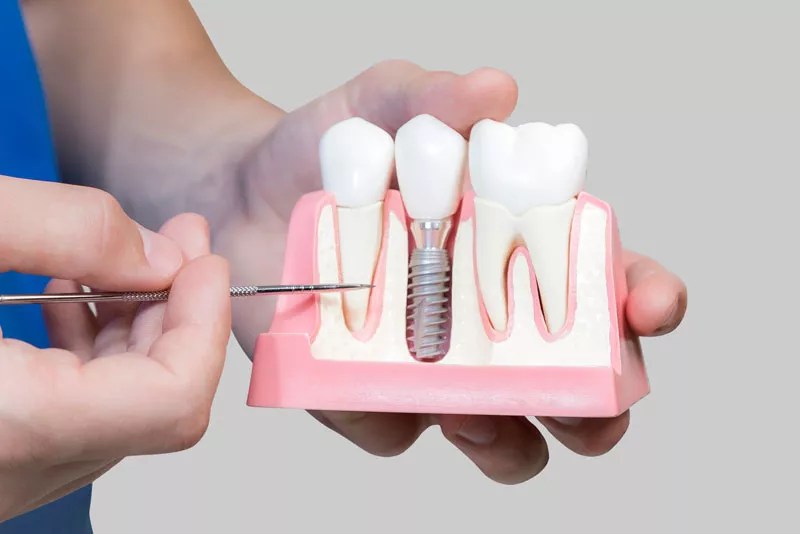
Dental implant surgery is missing, worn or damaged tooth that has been developed for the replacement of the revolutionary process. Dental implant surgery unstable men and women bridge work, ill-fitting dentures or missing teeth is an excellent choice for those who suffer.

If you are looking for dental implant treatment in nagpur, then Welldent Dental clinic is the right choice for you for the best treatment.

Most implant treatment takes time to complete, including several visits to the dentist completely.

Process: – your implant treatment begins with a consultation with your dentist. The success and quality requires a certain amount of bone in the jaw, the implant provides the proper stabilization. Those men and women who do not have enough bone, bone growth or bone grafting, may require treatment prior to dental implant surgery. It is necessary; discuss all available options with your dentist.

Once there is sufficient bone, the implant may be placed. A drill a small hole in the jaw implant is placed where it was before. It is effective for root dental implants create support.

Implants are placed, to the surrounding bone to create a secure space for an artificial tooth will heal around the implant. Perfect (it may take three to six months) to cure patients as dental prosthesis (a bridge, crown, partial or full denture sets) can be returned to their dentist. It gives men and women with the look and feel of natural teeth.

Dental implant surgery can be very intimidating for most people. The reason why is because this type of medical procedure usually involves an individual having to receive some level of sedation. In most cases, people are induced to go into a light sleep which enables the surgeon to work more easily inside of the mouth without causing a great deal of distress and discomfort for the patient.

Why would anybody actually even need dental implant surgery? That is a question that you really need to stop and think about. More often than not, this particular type of surgery is the result of your natural teeth having to be removed from your mouth. While there is nothing that says you need to have dental implants installed, most people feel that they need to have something to replace the teeth that have been removed.

The very first thing you will want to do prior to dental implant surgery is get as much information as possible about the procedure. The reason why is because you want to be able to ask your surgeon questions that will help you better understand what you are about to go through and do different things that you need to keep in mind after the procedure itself has been completed.

On the day of the dental implant surgery, you will likely be given various instructions that you need to follow very carefully. Try to be as calm as possible. Remember, the reason why you are being given mild sedation is so that the surgeon can work inside of your mouth more easily without you get upset or interfering with the procedure.

Source : https://www.amazines.com/
How to Know if You Need a Gum Graft

Your gums frame your teeth, and also provide a strong foundation for your smile. Healthy gums are just as important as healthy teeth. With proper care and routine dental visits, you can enjoy optimal gum health for years to come. If your gum tissue is thin or pulling away from the teeth, it can expose the teeth roots and compromise your overall oral health.

Welldent is the best dental implant treatment in nagpur who offered the world class Dental implants or Tooth implant in India at an affordable cost.

For most patients, anxiety ensues if a dentist recommends a gum graft. It certainly doesn’t sound like much fun. To be honest, tissue grafts have not earned a favorable reputation in years past. However, with advances in technology and techniques, receiving a gum graft is easier now than ever before. Here, we will explore gum grafting, and discuss when it is necessary, what type of grafts are available, and how the procedure is performed.

About Gum Recession
Gum recession is quite common and can be caused by a couple of different reasons. First and foremost, there is an undeniable genetic factor. Chances are, if you have an immediate family member who has recession, you have it too. This type of recession can worsen gradually over time, almost going unnoticed. That is why routine dental examinations are so important. If your dentist detects recession early on, the treatment required to repair it will be less invasive. Trauma can also cause gum recession. For example, if you are hit in the mouth, the gum tissue may tear or become damaged. Finally, recession can be a byproduct of periodontal disease. When periodontitis advances, the gums have a tendency to pull away from the teeth. This is because the underlying bone has been damaged by infection. The gums follow the bone level. Therefore, if there is bone loss, recession will be present.

When is a Gum Graft Necessary?
In many cases, dental issues can trigger a domino effect. Mild recession may cause tooth sensitivity and some slight discomfort, due to the exposed roots. However, if the recession continues to worsen, the exposed teeth roots can have a negative impact on the underlying jawbone. When your recession begins to affect other aspects of your oral health, it is time to consider gum grafting.

Types of Gum Grafts
The world of periodontics is constantly evolving. There are now several options for correcting gum recession. The gum grafting material can be autogenous (from your own body) or non-autogenous (donor tissue). We have seen immense success with the use of donor tissue when performing gum grafts, especially when combined with tissue regenerative therapy, such as EDTA (ethylenediamine tetraacetic acid) or PRF (platelet-rich fibrin). During a gum graft procedure, the donor tissue is placed in the area where you are deficient. In some cases, the tissue will be placed completely underneath the existing gum tissue, and the gums will be repositioned over the graft before closing the site. In other cases, a pocket will be made in the gum tissue, and the graft will be secured there with sutures. The type of gum graft necessary will entirely depend on the unique needs of the individual. During a consultation with your dentist, he or she can help you determine which one is right for you.

How to Prevent Gum Recession
There are a few guidelines you can follow to lower your risk of recession. For example:
Practice excellent oral hygiene
Never use a medium or hard toothbrush
Avoid all tobacco products
Wear a mouth guard if you grind your teeth

Source : https://www.amazines.com/
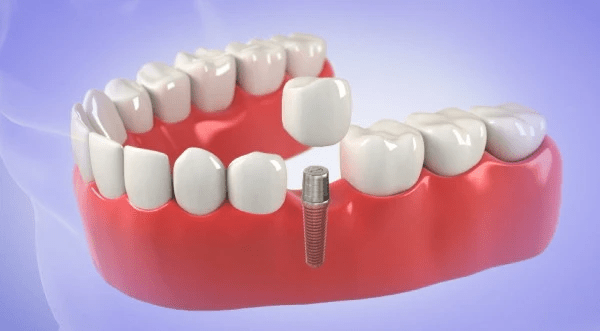
Do You Need a Deep Dental Cleaning?

You have most likely heard the term “deep dental cleaning”. But what does it really mean? Is there a difference between a deep dental cleaning and a routine appointment with your hygienist? Also known as scaling and root planing, a deep dental cleaning is indeed different. Here, we will explore those variances and discuss when this type of treatment is appropriate.

If you are looking for dental implant treatment in nagpur, then Welldent Dental clinic is the right choice for you for the best treatment.

Regular Dental Cleaning vs Deep Dental Cleaning

A regular dental cleaning, or prophylaxis, is typically performed every three to six months by the hygienist at your family dental practice. This involves removing plaque and tartar from the surfaces of the teeth, polishing the enamel to remove stains, and checking for any potential oral health problems. A deep dental cleaning requires local anesthesia to numb the tissue so that the clinician can clean deeper into the gums.

When is a Deep Cleaning Necessary?

So, how do you know if you need a deep cleaning? Simply stated, this treatment is typically recommended to treat the early stages of gum disease. During a consultation with your doctor, he or she will measure the pockets around each tooth with a specialized dental instrument called a periodontal probe. This instrument has tiny marks which tell the dentist how many millimeters of bone loss is present. Ideally, pockets will measure between one and three millimeters. A four-millimeter pocket indicates gingivitis, while any pocket measuring a five or higher signifies periodontal disease. A deep dental cleaning is effective for treating mild to moderate gum disease. Depending on the depths of your periodontal pockets, your dentist will make a treatment recommendation.

The Treatment Process

If a deep dental cleaning is recommended, the clinician will first administer local anesthesia to keep you comfortable throughout the process. Next, the bacteria, tartar, and plaque deposits will be removed from the teeth. The infection that has seeped below the gums will be swept away using hand instruments and ultrasonic scalers. Finally, the root surfaces will then be smoothed to discourage further irritants and debris from reattaching. Recovery after a Deep Dental Cleaning Although most patients experience little to no discomfort after a dental deep cleaning, a few weeks of healing are required. It is not uncommon to experience slight sensitivity after your procedure. However, it is important to adopt a thorough brushing and flossing regimen as soon as possible to maintain the results of treatment.

Maintaining Your Progress

When the recovery period is over, your dentist will assess your progress and re-measure the pocket depths around each tooth. The deep dental cleaning should eliminate infection, making the gums less inflamed. If this has occurred, the pockets will be reduced. If your dentist is satisfied with your progress, he or she will discuss a periodontal maintenance schedule with you. This will involve receiving routine dental cleanings every few months to preserve the progress that was achieved through treatment. The frequency of your visits will depend on your unique needs. However, most patients see their hygienist once every three to six months.

What if I Have Severe Periodontal Disease?

Deep dental cleanings do have their limits. For example, if you have advanced periodontitis, even the clinician will not be able to reach far enough into the gum line. Therefore, gum surgery is typically required to treat patients with advanced cases of periodontal disease.

Source : https://www.amazines.com/
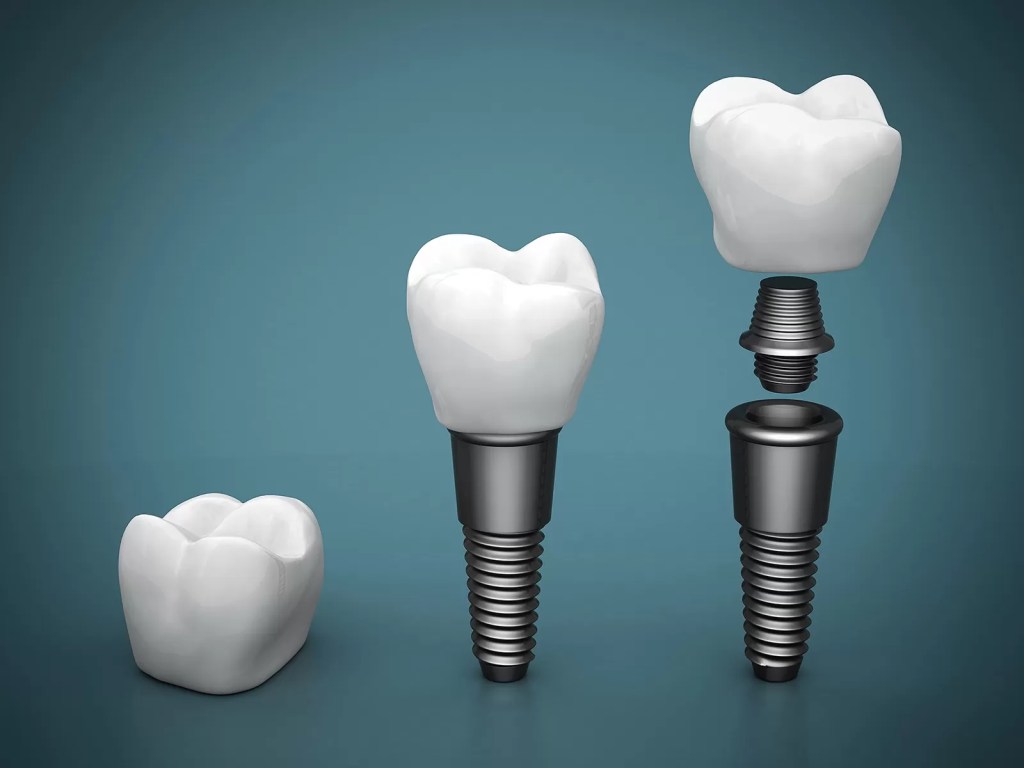
Why Dental Implants are the Best Choice for Single Tooth Replacement

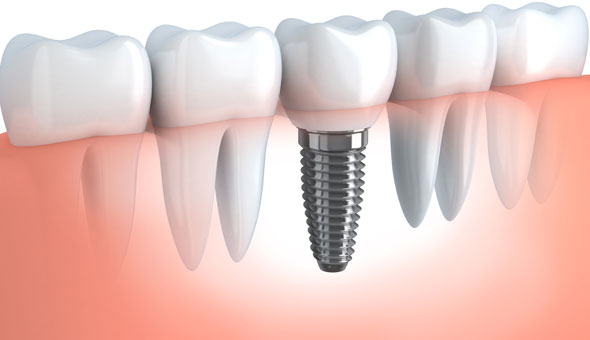
When a tooth is lost to decay, an accident, or a deep crack, you have two options for replacing it: a dental bridge or a dental implant. A bridge is a one-piece construction that fits over the teeth adjacent to your gap, while a dental implant replaces the root of your lost tooth. After an implant has healed and integrated with the jaw bone, a crown can be attached to replace the tooth.

Welldent is the best dental implant treatment in nagpur who offered the world class Dental implants or Tooth implant in India at an affordable cost.

Unfortunately, many patients choose to get a dental bridge because it is faster, easier, and less expensive. However, there are several reasons why you should consider a dental implant instead.

Dental Implants are Free-Standing

Since an implant and crown combination replaces the whole tooth, root to crown, it is an independent construction. It neither relies on other teeth for stability, nor is it affected by what happens to other teeth. The same can’t be said of a dental bridge. A bridge construction uses the teeth next to the gap to support a prosthetic tooth. This means that if either of those teeth should need restoration in the future (a root canal or filling), the whole bridge must come down. A new bridge may be possible after the tooth has been restored

There is also something to be said for leaving healthy teeth alone. If you choose to get a bridge, a certain amount of tooth enamel has to be removed from the teeth in order to hold the bridge. This usually doesn’t result in any problems for those teeth, but consider what would happen if one of those teeth became infected. if the bridge should happen to come down in the future, you may wish you had kept those teeth intact. Once enamel is removed, the tooth must always be crowned. An implant, on the other hand, does not affect your remaining teeth in any way.

Dental Implants Preserve Bone Mass

A curious thing happens when teeth are removed from the jaw. Over time, your body stops sending the minerals and nutrients needed to support healthy bone tissue in the jaw. This is called jawbone resorption and it happens 100 percent of the time. You can see this effect in long-time denture-wearers, who often look like their jaw has been shrunken from its original size. The only thing that has been proven to prevent jawbone resorption is the presence of a dental implant.

Because an implant replaces the tooth root, it tricks your body into thinking there is still a healthy tooth there. Jawbone resorption is not nearly as noticeable when you’ve only lost one tooth—but it does happen. If you get a dental bridge, you will notice after many years that the space between the prosthetic tooth and your gum tissue gets larger and larger. The bridge will sit directly on top of the gums at first, but over time, the gum tissue will get lower as the jawbone recedes at the site of the lost tooth.

Dental Implants Last Longer

Even perfectly constructed dental bridges on (perfectly healthy teeth) have a finite lifespan. Bridges last about 8-10 years on average. So if you are comparing the cost of dental implants vs. bridges—keep in mind that you’ll have to have the whole thing remade and reattached every decade or so. Dental implants cost more initially, but they almost never need to be replaced. When properly placed and properly cared for, dental implants have a 98-99 percent success rate. Why is this? When an implant heals in your jaw, it becomes a permanent part of your jaw bone. The crown atop the implant may crack and need to be replaced if you misuse it, but the implant is there for good.

Many Factors to Consider

As a surgical procedure, dental implant placement is most certainly more complex than getting a dental bridge. If you have medical conditions that affect your body’s ability to heal and generate new tissues, then you may not be a good candidate for implants. If you’ve been without the tooth for many years, you may need bone grafting in order for an implant to be placed.

There are many factors to consider when looking at tooth replacement options, so don’t try to make the decision alone. Get in touch with a good oral surgeon or implant specialist to help you get the facts before you decide. Make sure you weigh each option carefully, and explore your financing options before you make a decision. After all, your tooth replacement is going to affect you for the rest of your life.

Source : https://www.amazines.com/
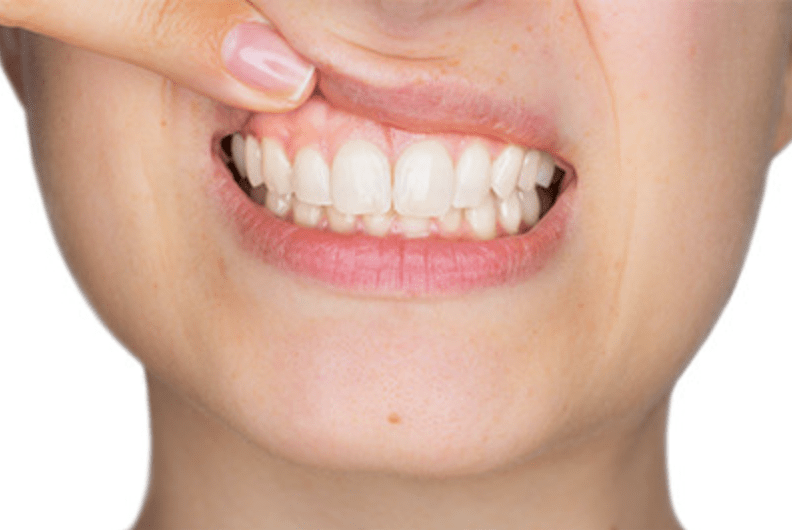
The Emergency Dental Care – Know When It’s Urgent

Majority of people do not normally experience a dental emergency. Requiring the generous and immediate help of an emergency dentist it is a kind of noble mission.

If you are looking for dental implants treatment in nagpur, then Welldent Dental clinic is the right choice for you for the best treatment.

For the coming emergency dental cases the dentist be prepared during this time and the Emergency Dentist in Nagpur in an emergency situation must be able to adequately and carefully make provisions as always.

Of course the anticipation includes the flexibility of schedules in order to address dental emergencies with the total and utmost effectiveness and efficiency of a medical emergency.

Outside of her regular working hours an emergency dentist has an emergency normally including a standard reception number on their business card and emergency contact information. As a patient; in their mobile phone or in a phone book these numbers should be stored. When a person cannot get through to these numbers there may be times. A person in cases such as those can dial the phone number of the NHS Direct. A number of an emergency dentist who is in your area will be given by the department.

A dental emergency

Actually, two specific classifications are included in a dental emergency. First, if a noticeably damaged tooth is there. For instance, bleeding from the gums, cracked, split and broken teeth is there.

Triggered by an underlying decay the presence of an unbearable physical pain is probably the most apparent and the second dental emergency. To solve the issue temporarily because there are too many home remedies ordinary tooth decay is not a dental emergency to some. They will also solve any issue with Dental Fillings too.

Seek help for an urgent problem now

You may need emergency dental care if you are bleeding severely from the soft tissue, your lips, or gums in your mouth. To stop the flow of blood basic first aid, such as applying pressure must be performed.

You may need urgent oral care if you have broken, knocked out, or chipped a tooth. Until you can see a dentist put them in water or milk if you can recover the tooth or parts of the tooth. He or she may be able to put them back into your mouth after repairing the damage. In this situation, as quickly as possible it’s important that you seek emergency dental care. Find a dentist who provides after hours care or Visit your local ER.

You may need to seek out urgent care if you are experiencing swelling and pain, such as infected gum or a toothache.

You may need emergency dental care if you’ve recently had oral surgery, and with your stitches notice an issue, bleeding from the mouth, or are develop swelling. For assistance visit your local ER or Call the doctor who performed the surgery.

It’s better to be safe than sorry when it comes to taking care of your mouth. Oral damage can be may be expensive to repair, and extremely painful.

As quickly as possible for your condition it’s better to seek help, so that you can begin to feel better and minimize the damage. Don’t put it off if you feel that you may need urgent oral care. Instead, to see them as soon as possible, make an appointment or in afterhours care call a local provider who specializing in it.

Source : https://www.amazines.com/
Sealants

Brushing and flossing are the best ways to help prevent cavities, but it’s not always easy to clean every nook and cranny of your teeth – especially those back teeth you use to chew (called molars). Molars are rough, uneven and a favorite place for leftover food and cavity-causing bacteria to hide.

Still, there’s another safety net to help keep those teeth clean. It’s called a sealant, and it is a thin, protective coating (made from plastic or other dental materials) that adheres to the chewing surface of your back teeth. They’re no substitute for brushing and flossing, but they can keep cavities from forming and may even stop early stages of decay from becoming a full-blown cavity.

In fact, sealants have been shown to reduce the risk of decay by nearly 80% in molars. This is especially important when it comes to your child’s dental health. In October 2016, the Centers for Disease Control released a report on the importance of sealants for school-aged children, of which only 43% of children ages 6-11 have. According to the CDC, “school-age children without sealants have almost three times more cavities than children with sealants.”

You may have many questions about sealants, and we have answers for you below. Read on to learn more about sealing out tooth decay.

If you suffering from other dental problems, then Visit our Dental Clinic in Vivekanand Nagar to get more information about Sealants.


How Do Sealants Work?
Think of them as raincoats for your teeth. When the cavity-causing bacteria that live in everyone’s mouth meet leftover food particles, they produce acids that can create holes in teeth. These holes are cavities. After sealant has been applied it keeps those bits of food out and stops bacteria and acid from settling on your teeth—just like a raincoat keeps you clean and dry during a storm.


Who Can Get Sealants?
Children and adults can benefit from sealants, but the earlier you get them, the better. Your first molars appear around age 6, and second molars break through around age 12. Sealing these teeth as soon as they come through can keep them cavity-free from the start, which helps save time and money in the long run. Ask your dentist if sealants are a good option for you and your family.


How Are Sealants Applied?
It’s a quick and painless process. Your dentist will clean and dry your tooth before placing an acidic gel on your teeth. This gel roughs up your tooth surface so a strong bond will form between your tooth and the sealant. After a few seconds, your dentist will rinse off the gel and dry your tooth once again before applying the sealant onto the grooves of your tooth. Your dentist will then use a special blue light to harden the sealant.


Can Sealants Be Placed Over Cavities?
Sealants can be used over areas of early decay to prevent further damage to your tooth. Because some sealants are clear, your dentist can keep an eye on the tooth to make sure the sealant is doing its job.


Are There Any Side Effects?
With the exception of an allergy that may exist, there are no known side effects from sealants.


Is There BPA In Sealants?
Yes, there is a tiny amount of BPA in sealants but not enough to cause you or a loved one any harm. In fact, you get more exposure to BPA by simply touching a receipt, using cosmetics or coming in contact with dust.

How Long Do Sealants Last?

Sealants will often last for several years before they need to be reapplied. During your regular dental visit, your dentist will check the condition of the sealant and can reapply them as needed.

Are Sealants Covered By Dental Plans?

Some plans do cover sealants, so call your dental benefit company to find out what kind of coverage you have.

source: mouthhealthy

Cancer and Dental Health

More than one-third of all cancer patients develop complications that affect the mouth, according to the National Institute of Dental and Craniofacial Research. These mild to severe side effects can include mouth sores, infection, dry mouth, sensitive gums and jaw pain.

Your mouth health is an important part of your overall health, so make your dentist part of your cancer care team.

To learn more about their options for an orthodontist, contact with our best dentist in vivekanand nagar.

How Cancer Affects Your Mouth
Cancer and its treatments, like chemotherapy, can weaken your immune system. If your mouth is not as healthy as possible prior to your cancer treatment, you may be more susceptible to infection. If the infection is serious enough, it can delay your cancer treatment.

In addition, radiation therapy, especially in the area of the head and neck, can damage salivary glands which can cause thick, sticky saliva and extreme dry mouth. A dry mouth can increase your chances of tooth decay and infection.

Your 3-Step Cancer Action Plan
Maintaining your mouth at its best health before, during and after cancer treatment could help lessen some side effects and allow you to focus on your overall healing. Here’s what to do during each phase of your treatment:

If your mouth is not as healthy as possible prior to your cancer treatment, you may be more susceptible to infection. If the infection is serious enough, it can delay treatment.
Here are some dental health tips to consider before undergoing cancer treatment:

Visit Your Dentist
Your dentist can evaluate your dental health and discuss which treatment options you should consider prior to starting cancer treatment. By treating areas of concern you may reduce possible dental side effects associated with chemotherapy and radiation. Some treatment options may include fluoride treatments to prevent cavities, filling existing cavities, treating gum disease, removing infected teeth or restoring crowns or bridge work to ensure you will be able to chew your food.
Brush Regularly
Brush twice a day with fluoride toothpaste. You can soak your extra-soft toothbrush in warm water to make it softer, and don’t forget to brush your tongue!

Floss
Floss once a day. This helps remove plaque between teeth. If your gums are sore or bleeding, be gentle and avoid those areas, but floss in between the rest of your teeth.

Don’t Use Tobacco
Tobacco products are harsh on your body – especially your mouth health. Stopping the use of tobacco may help your body heal faster.

Eat Nutritious Foods
Eating healthy foods rich with vitamins and nutrients can help boost your immune system. Your individual nutrition and calorie needs depend on your age, gender, level of physical activity and other health factors. According to MyPlate, a website from the Center for Nutrition Policy and Promotion, an agency of the U.S. Department of Agriculture, a healthy diet should include: Fruits and vegetables, grains, low-fat or fat-free dairy, and protein such as lean beef, skinless poultry and fish. Vary your protein choices to also include eggs, beans, peas and legumes. Eat at least eight ounces of seafood a week.

Rinse Your Mouth Often
This will help keep food and debris off of your teeth and gums. Avoid rinses that have alcohol in them. Rinsing often, along with regular brushing and flossing, may help to reduce the chance of dental decay and infection. Rinsing is also helpful after vomiting to keep the acids from damaging the enamel on your teeth. You may also want to reduce eating citrus fruit or other high acid foods.
Rinsing solution ideas from the National Institutes of Health:

  • 1 teaspoon of salt in 4 cups of water
  • 1 teaspoon of baking soda in 1 cup (8 ounces of water)
  • One half teaspoon salt and 2 tablespoons baking soda in 4 cups of water

source: mouthhealthy

Can You Whiten Your Teeth Using Toothpaste?

Many toothpastes on the market now claim to whiten your teeth at the same time as providing bacteria and tartar protection. You could well be using such a toothpaste now without even realising it!

Whilst many of us most likely choose a tooth paste for the prevention and build up of plaque, or possibly by favourite brand, few of us may choose a product for its whitening effect.

If you suffering from other dental problems like crooked teeth, discolouration of teeth or more then Visit our Dental Clinic in Vivekanand Nagar to get more information about teeth Whitening.

You can find many of the popular dental brands have a whitening version of their tooth paste on the market. These are available from most high street shops that sell dental products.

How do teeth whitening toothpastes work?

The ingredient used is not usually a bleaching agent and so the process is not chemical. Typically they work by using an abrasive action, in that very superficial stains on the tooth are scrubbed away.

Can you whiten your teeth using toothpaste?

If you have very superficial stains or very mild discolouration then a whitening toothpaste may give you some improvement in colour.

If you are looking for that Hollywood smile then you will most likely be disappointed by using such a product! Using an abrasive scrubbing action will only on the outer part of the tooth and so any deeply ingrained stains are not affected.

In some cases a whitening agent is used in the tooth paste but it is so little that it is unlikely to be very effective.

Best Teeth whitening products

Its generally agreed that whitening tooth pastes are the lest effective method of improving the whiteness of your teeth. For real results most turn to either whitening strips or teeth whitening kits that use mouth trays.

Out of these two methods teeth whitening kits have been shown to get the best results. Although the procedure is a little more involved than using a toothpaste or strips, they involve placing the whitening gel into two mouth trays that are then worn for a certain period of time, typically up to 30 minutes. The procedure is repeated over a number of days.

If you want more than very superficial results and want to get up to 11 shades brighter and whiter teeth then you should consider looking at teeth whitening kits on the market. In as a little as 2 weeks using mouth trays up to 30 minutes per day you can see significant results and amaze friends and family with healthy and fantastic looking teeth!

Article Source: EzineArticles

Design a site like this with WordPress.com
Get started